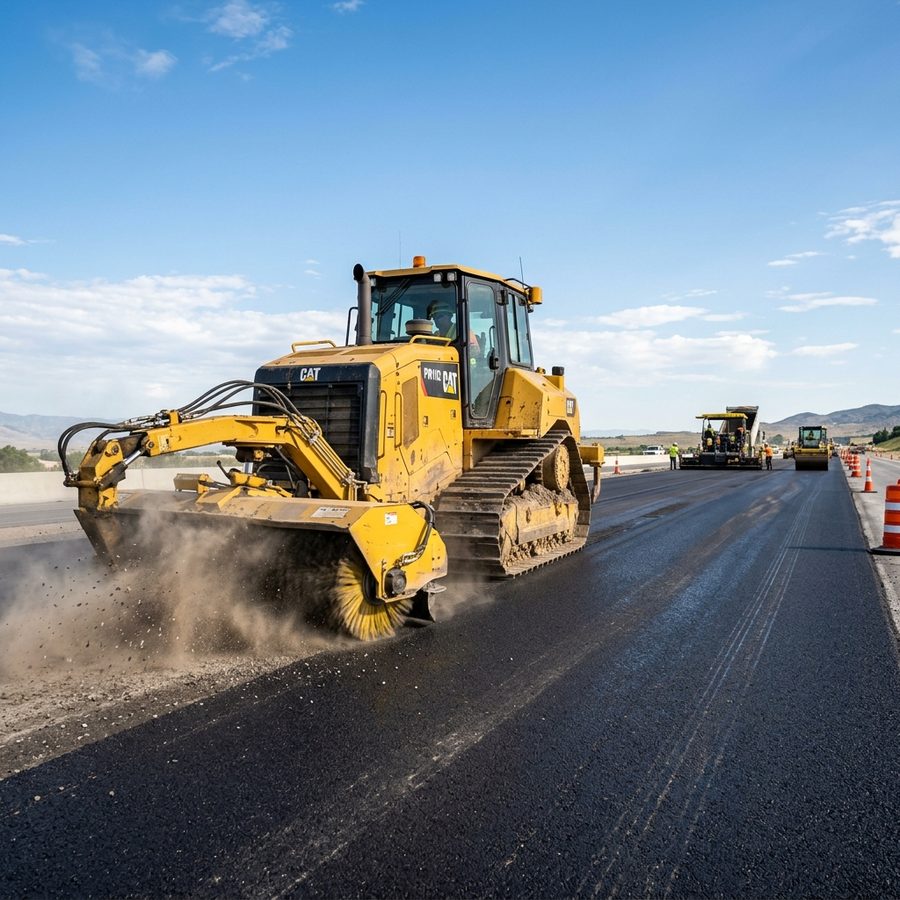

Achieving smooth, durable, and long-lasting road surfaces depends heavily on the precision and performance of modern asphalt paving equipment. In 2026, asphalt pavers have evolved far beyond basic mechanical material spreaders into intelligent, sensor-driven machines capable of delivering unmatched mat smoothness and density control across expressways, airport runways, and heavy-duty urban thoroughfares.
Smart Automation and 3D Screed Control in 2026
Pavement smoothness is measured by International Roughness Index (IRI) scores, which directly influence project approval and performance bonuses for road contractors. 2026 asphalt pavers leverage advanced 3D levelling systems, sonic grade sensors, and GNSS satellite positioning to deliver flawless surface profile management.
- Automated Screed Management: Dual-tamper and electric heating screeds maintain uniform mat compaction and consistent temperature across variable paving widths, eliminating cold spots, surface tearing, and material segregation.
- Thermal Profiling Systems: Real-time infrared cameras mounted on the paver monitor thermal uniformity across the freshly laid asphalt mat, allowing operators to adjust paving speed before temperature differentials lead to premature surface cracking.
- Eco-Mode Hydraulic Drives: Load-sensing hydraulic pumps automatically regulate engine RPM based on material demand, lowering fuel consumption and reducing noise levels during urban night paving operations.
- Ergonomic Operator Platforms: Intuitively designed control consoles with high-definition digital displays provide operators with instant feedback on paving speed, material throughput, and screed position.
Track vs. Wheel Pavers: Choosing the Right Drive for 2026 Projects
Contractors often debate whether tracked or wheeled pavers offer the best return on investment for their fleet. Tracked asphalt pavers excel on loose sub-bases, steep inclines, and wide paving widths where high traction and superior weight distribution are required to prevent sinking. On the other hand, wheeled asphalt pavers provide superior mobility, fast travel speeds, and rapid transportability between localized urban repairs and resurfacing projects.
Material Handling and Feeder Systems
The key to consistent paving is maintaining a continuous flow of hot mix asphalt to the screed. 2026 asphalt pavers feature independent, proportional conveyor and auger drives that automatically adjust material flow based on screed width and paving speed. Reversible augers prevent spillage during transport, while heavy-duty wear plates ensure extended component longevity when handling abrasive aggregates.
Best Practices for Superior Mat Quality
To maximize pavement longevity, field crews must maintain continuous paver movement. Frequent stopping and starting of the paver creates dips in the asphalt surface that lead to ride quality penalties. Coordinating asphalt batch plant output with truck dispatching ensures a steady supply of hot mix to the paver hopper throughout the paving shift.
Looking Ahead
High-precision paving technology in 2026 is setting new global benchmarks for road infrastructure quality. By adopting modern asphalt pavers equipped with digital grade control and efficient heating systems, road builders can deliver super-smooth highways built to withstand decades of heavy traffic.
Optimizing Paving Speeds and Compaction Coordination
The secret to achieving optimum asphalt density lies in harmonizing paver speed with roller compaction passes. Modern 2026 asphalt pavers communicate wirelessly with tandem rollers, sharing real-time pass counts and surface temperature data. This intelligent coordination ensures rollers compact the asphalt mat within the narrow temperature window required for maximum structural density.