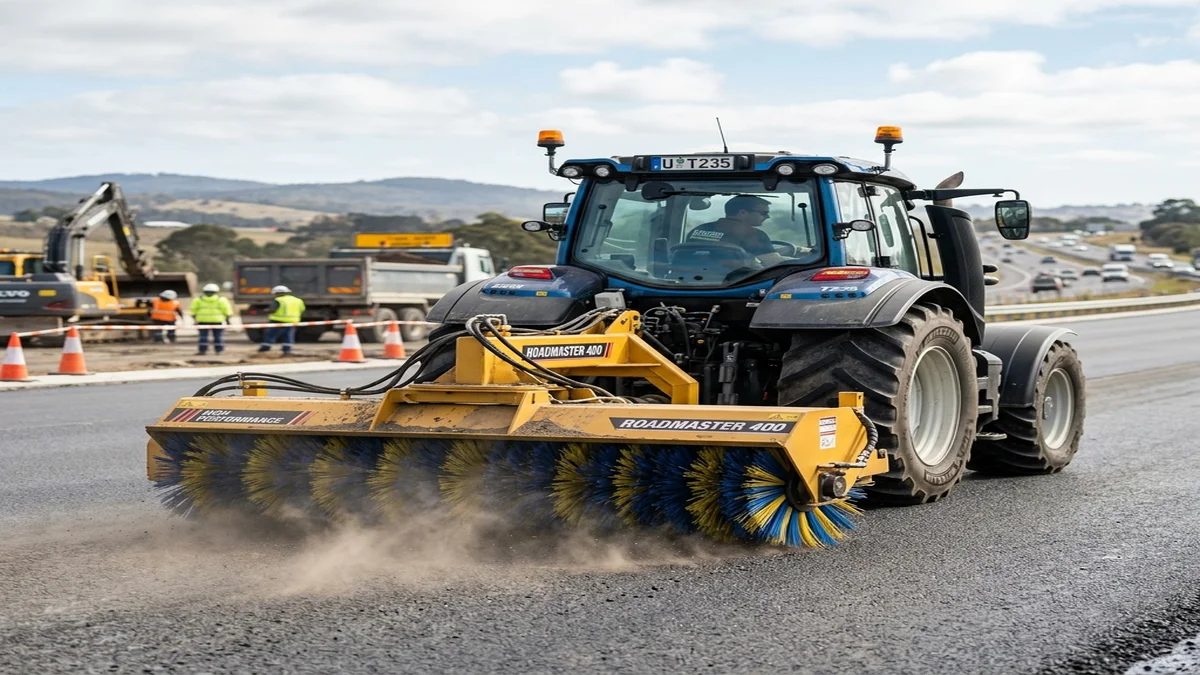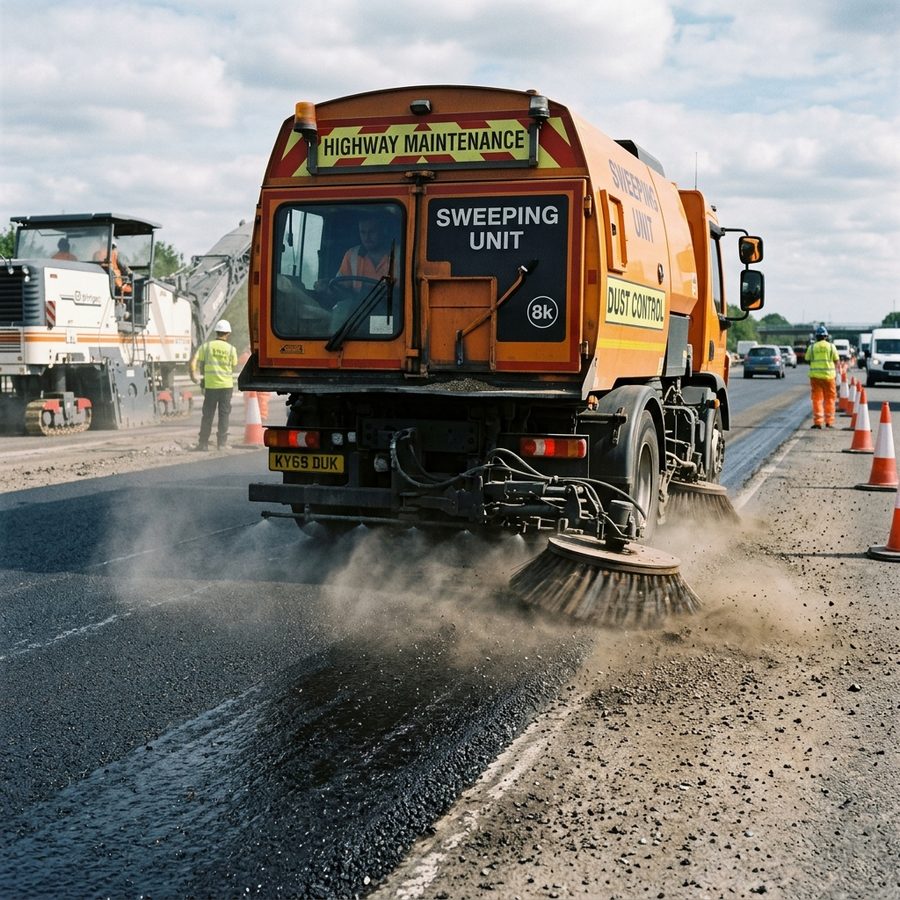
In the competitive world of heavy road construction, machine downtime is the single greatest threat to project profitability. Unplanned equipment breakdowns halt paving operations, delay critical project timelines, and cause significant financial loss. In 2026, leading contractors are adopting predictive maintenance strategies and investing in high-quality OEM spare parts to keep their machinery operating at peak efficiency.
The True Cost of Equipment Downtime
When a key machine like an asphalt batch mix plant or a main asphalt paver fails on-site, the financial damage extends far beyond basic repair costs. Hot asphalt mix in transit hardens and must be discarded, paving crews stand idle, and strict project delay penalties accumulate quickly. Implementing proactive equipment care prevents costly emergency breakdowns and protects working capital.
Predictive Maintenance Strategies in 2026
Modern equipment management relies on data-driven predictive techniques rather than reactive repairs after a breakdown occurs.
- Vibration & Acoustic Analysis: Sensors installed on heavy rotating components—such as dryer drums, mixer gearboxes, and hydraulic pumps—detect minor vibration anomalies early, signaling mechanical wear before structural failure occurs.
- Fluid Sampling and Oil Analysis: Regular laboratory testing of engine oil and hydraulic fluids reveals internal wear metals, contamination, and viscosity breakdown, allowing scheduled fluid changes at optimal intervals.
- Thermal Imaging Diagnostics: Infrared inspections identify electrical hotspots, bearing friction, and thermal leaks in asphalt plant heating systems prior to operational failure.
- Digital Maintenance Scheduling: Cloud-based asset management software tracks operating hours and automatically triggers preventive service alerts for filter replacements, lubrication, and belt tensioning.
Why Genuine OEM Spare Parts Matter
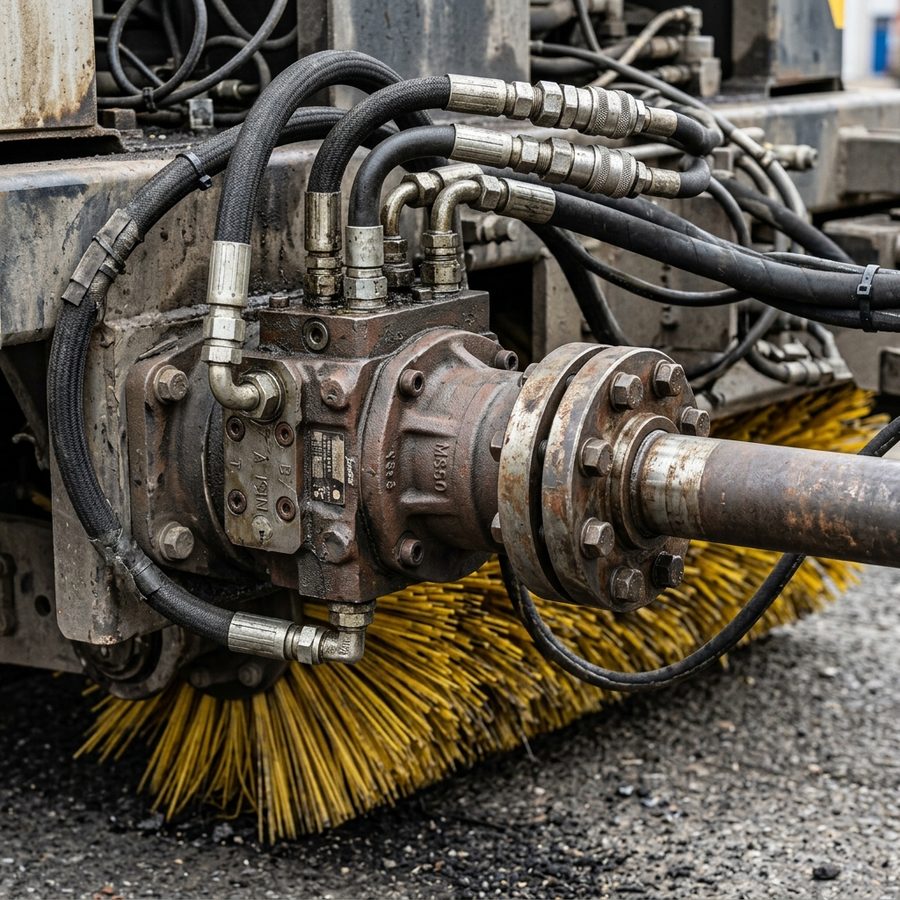
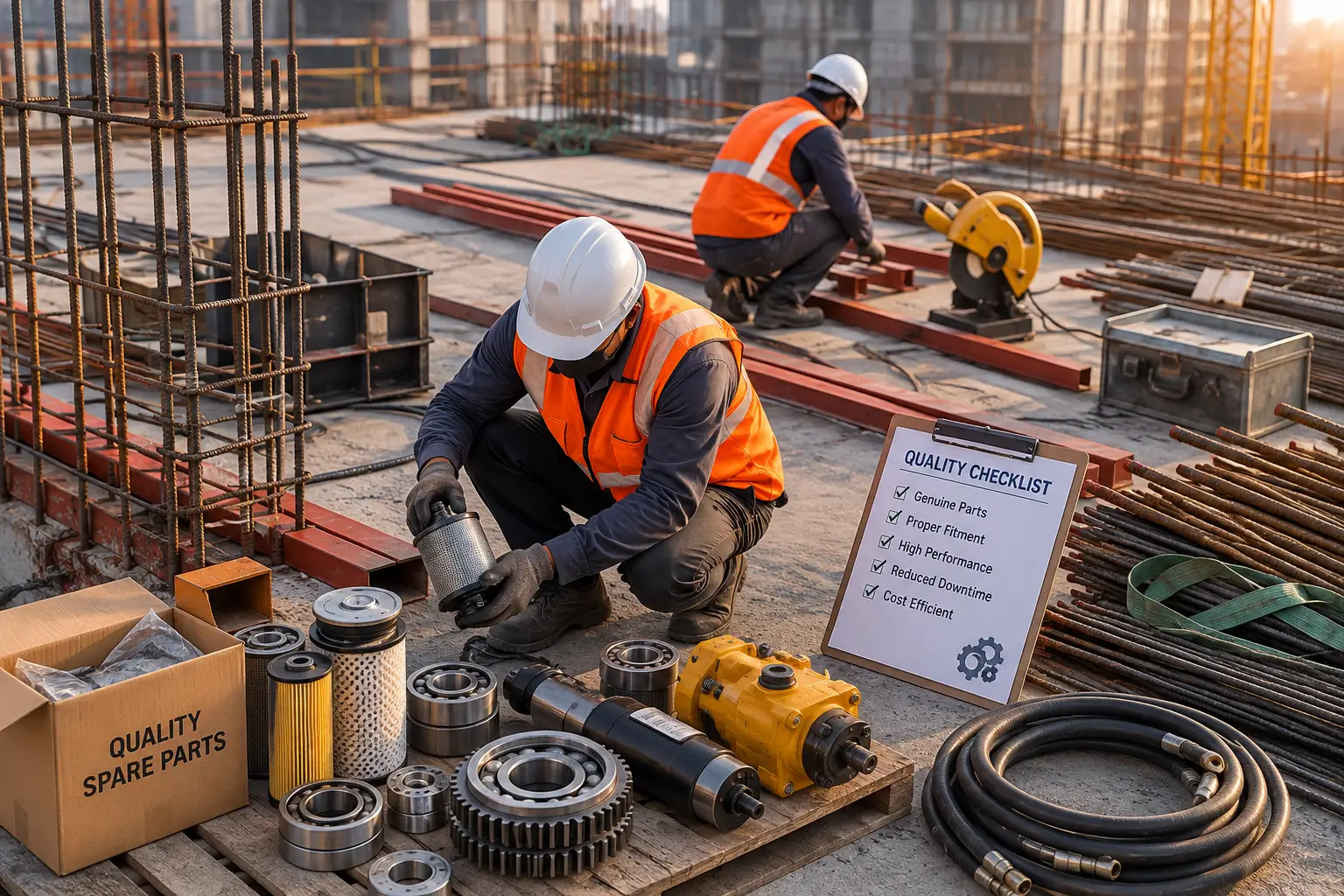
While low-cost aftermarket spare parts may seem attractive initially, they often result in premature wear and unexpected system failures. High-grade OEM components—such as hardened wear plates, alloy paddle tips, high-pressure hydraulic seals, and precision filter media—are engineered to exact metallurgical tolerances, ensuring maximum durability and perfect fitment under extreme operating conditions.
Lifecycle Cost Analysis: OEM vs. Aftermarket Parts
Evaluating spare parts strictly by initial purchase price is a common mistake. Non-standard aftermarket parts often wear out two to three times faster than genuine components, requiring frequent replacements that increase labor costs and machine downtime. Over a machine’s operational lifecycle, genuine OEM parts consistently deliver lower total cost of ownership (TCO).
Building a Strategic Spare Parts Inventory
Contractors operating in remote highway corridors should maintain a critical on-site spare parts kit containing high-wear items like burner nozzles, conveyor belting, hydraulic hoses, electrical relays, and sensor switches. This guarantees immediate replacement capabilities without waiting days for parts delivery.
Conclusion
Achieving zero unplanned downtime in 2026 requires a disciplined commitment to predictive maintenance and quality spare parts. By protecting high-value road construction assets with proactive servicing, contractors secure maximum equipment uptime, smooth project execution, and long-term profitability.
Establishing a Standard Operating Procedure for Daily Machinery Inspections
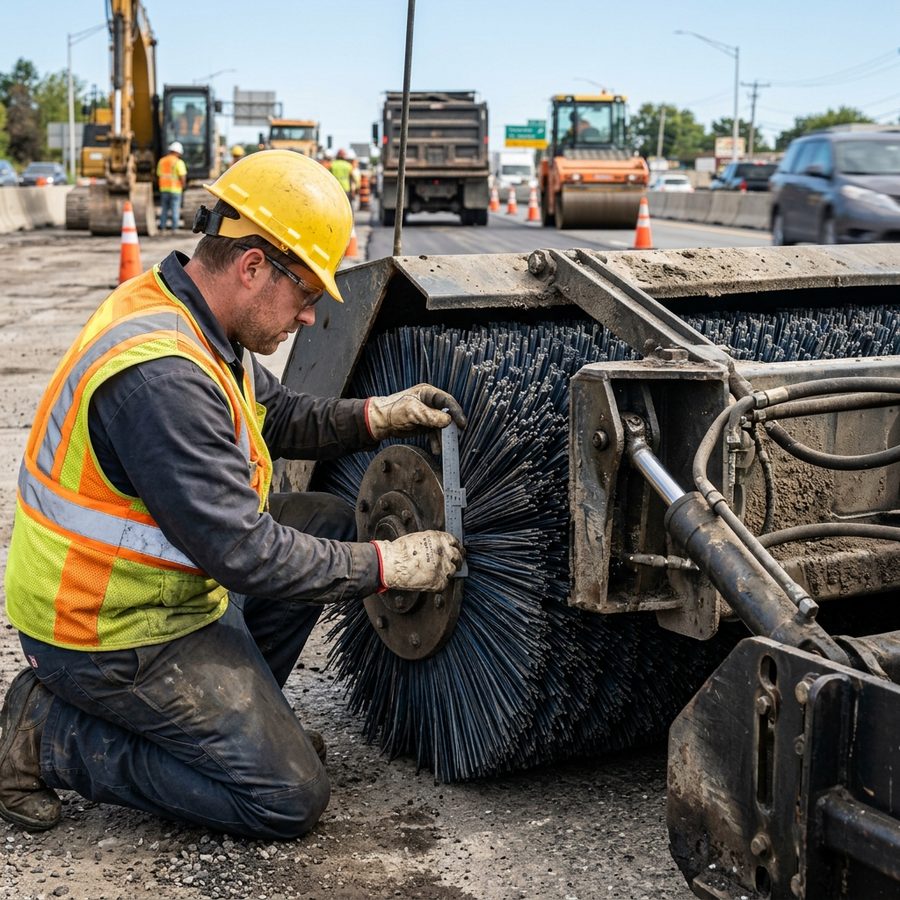
A successful maintenance program starts with daily pre-shift inspections conducted by machine operators. Using digital mobile checklists, operators verify fluid levels, belt tension, hydraulic line integrity, and emergency stop mechanisms before powering up equipment. Documenting these daily checks creates an auditable service history that maximizes equipment resale value.