Choosing the Right Carrier for Your Hydraulic Road Sweeper
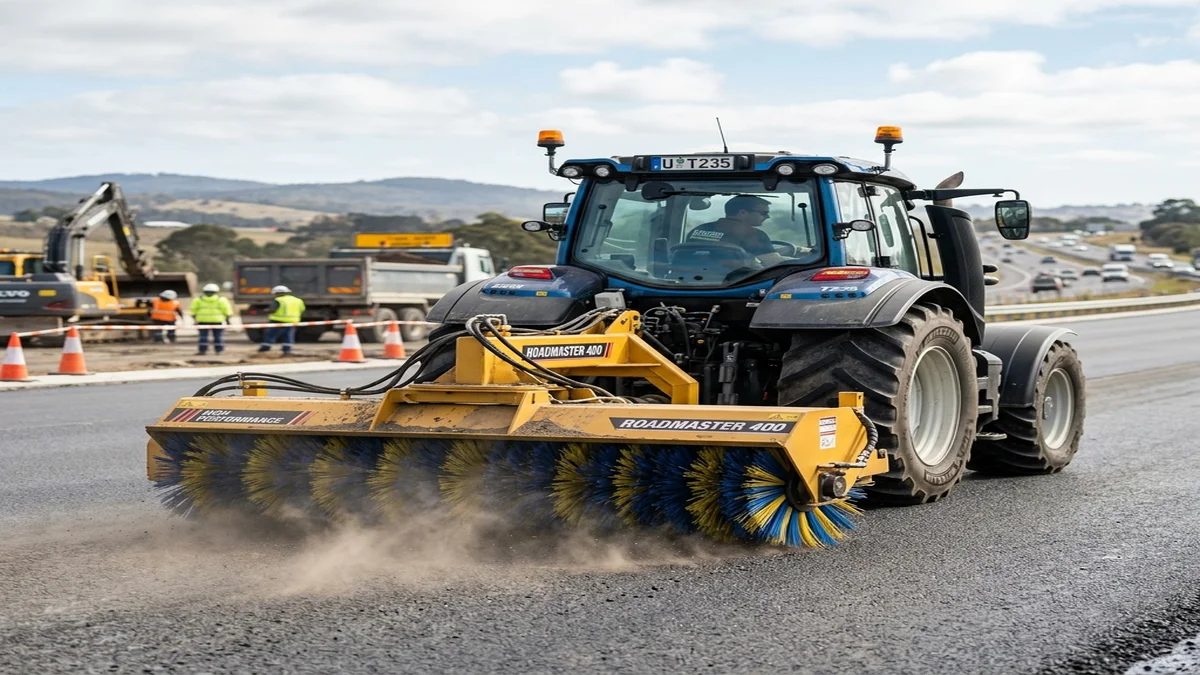
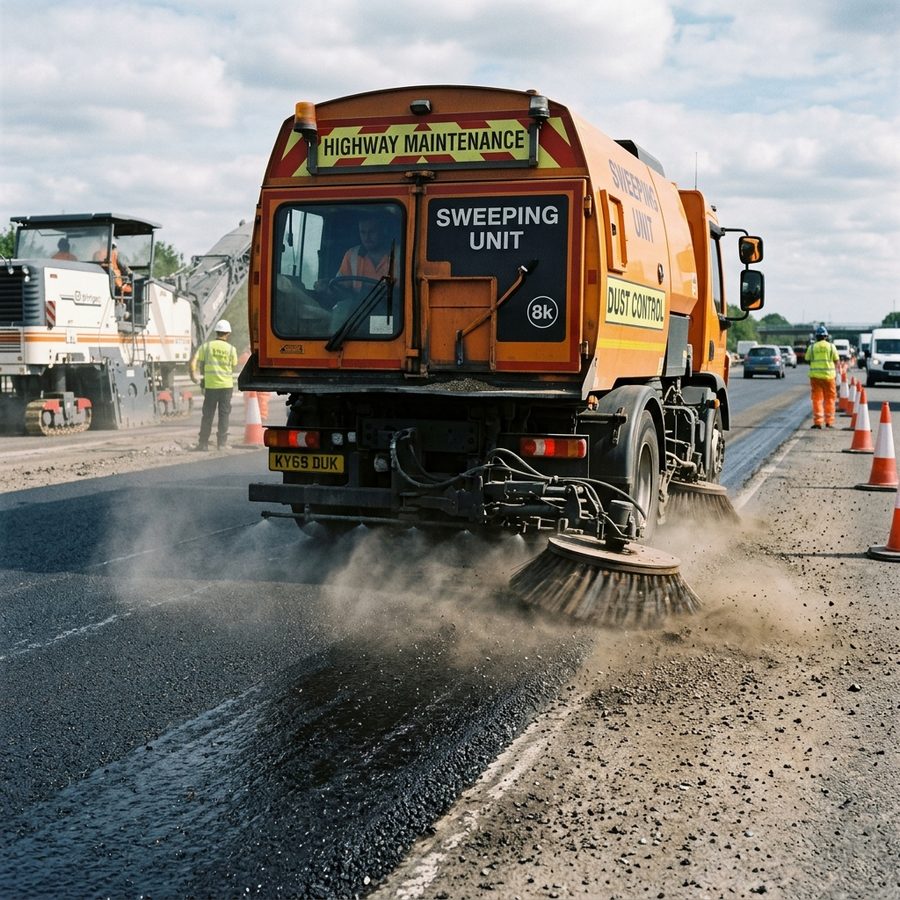
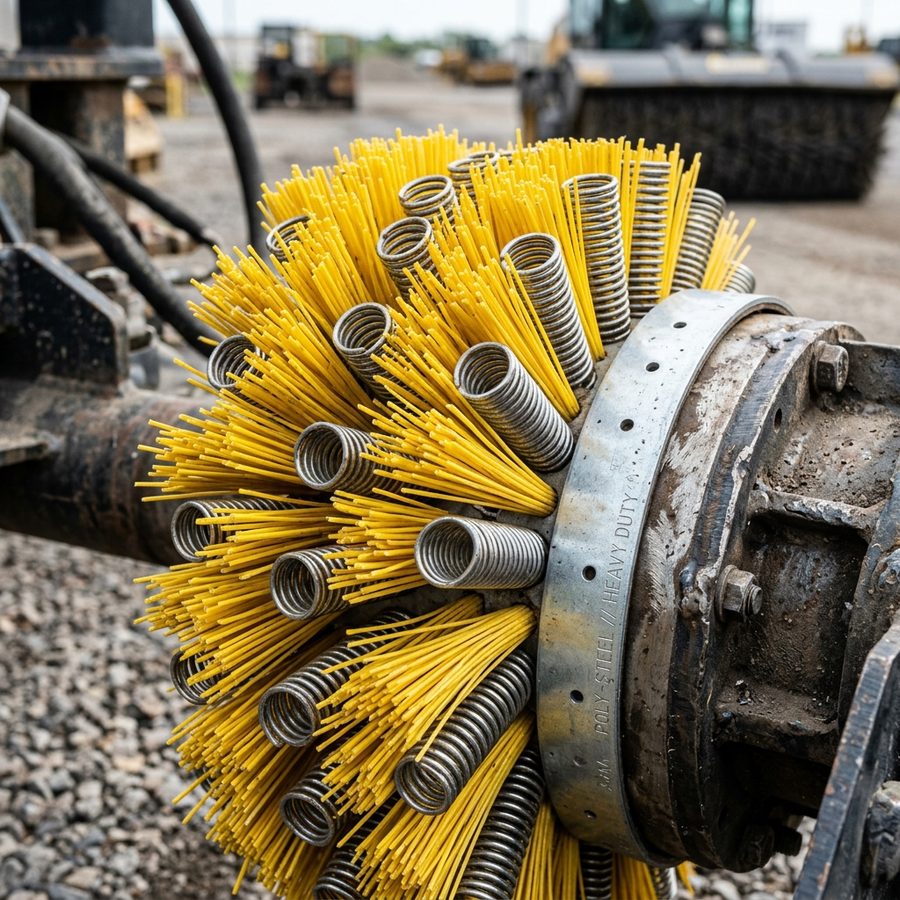
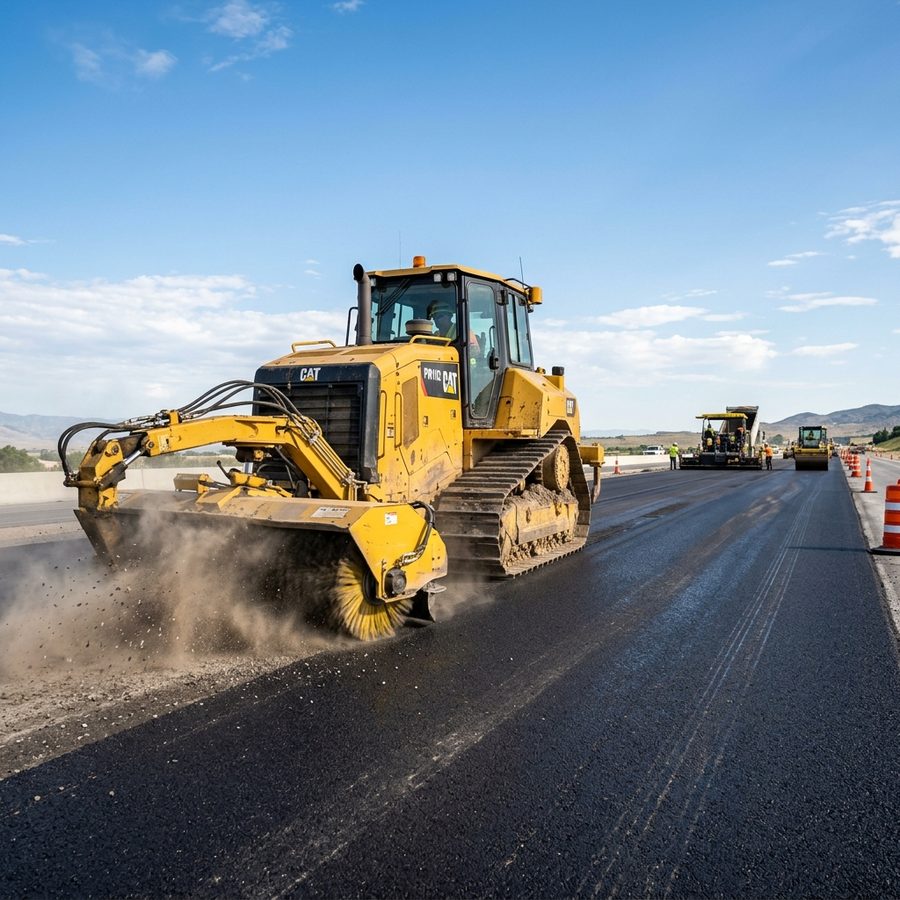
Hydraulic broomers are indispensible attachments for surface cleaning prior to prime coating, tack coating, and asphalt laying. Contractors frequently choose between tractor-mounted hydraulic sweepers and skid steer / wheel loader attachments. Understanding their operational differences helps optimize equipment deployment on site.
Tractor-Mounted Hydraulic Broomers
Tractor-mounted sweepers utilize the tractor’s Rear Three-Point Linkage and auxiliary hydraulic PTO connections. They are widely favored across Indian highway construction due to low fuel consumption and high mobility across long road stretches.
- Sweeping Width: Typically 2.0m to 2.4m coverage per pass.
- Hydraulic Demand: Operates efficiently at moderate hydraulic flow rates (40 – 60 L/min).
- Best Suited for: Long linear highway stretches, rural road development, and continuous lane cleaning.
Wheel Loader & Skid Steer Sweeping Attachments
Front-mounted loader sweepers offer superior downforce control, operator visibility, and integrated debris collection hoppers. They excel in confined industrial spaces and high-density urban paving zones.
Performance Metrics Comparison
| Feature | Tractor-Mounted Sweeper | Loader Attachment |
|---|---|---|
| Operational Speed | Higher travel speed between sites | Moderate, high precision |
| Fuel Consumption | Economical (Tractor engine) | Higher (Heavy loader engine) |
| Debris Collector Hopper | Optional angled spill guard | Integrated hydraulic dumping bucket |
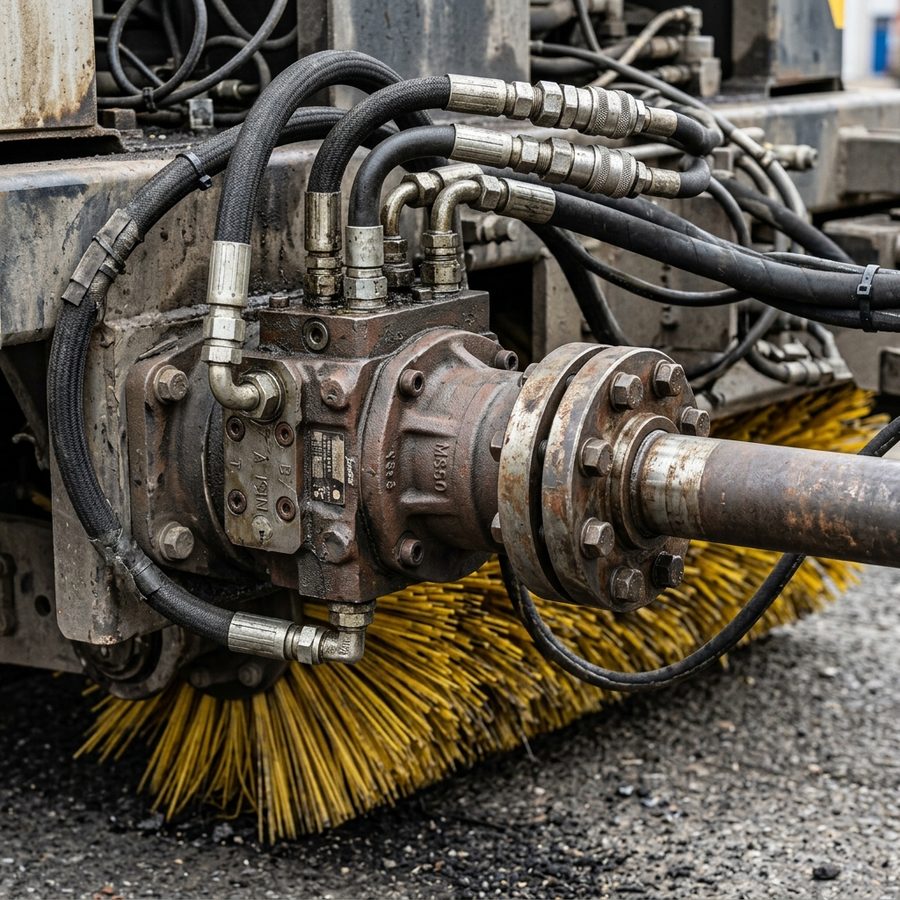
Hydraulic Motor Specifications & Maintenance
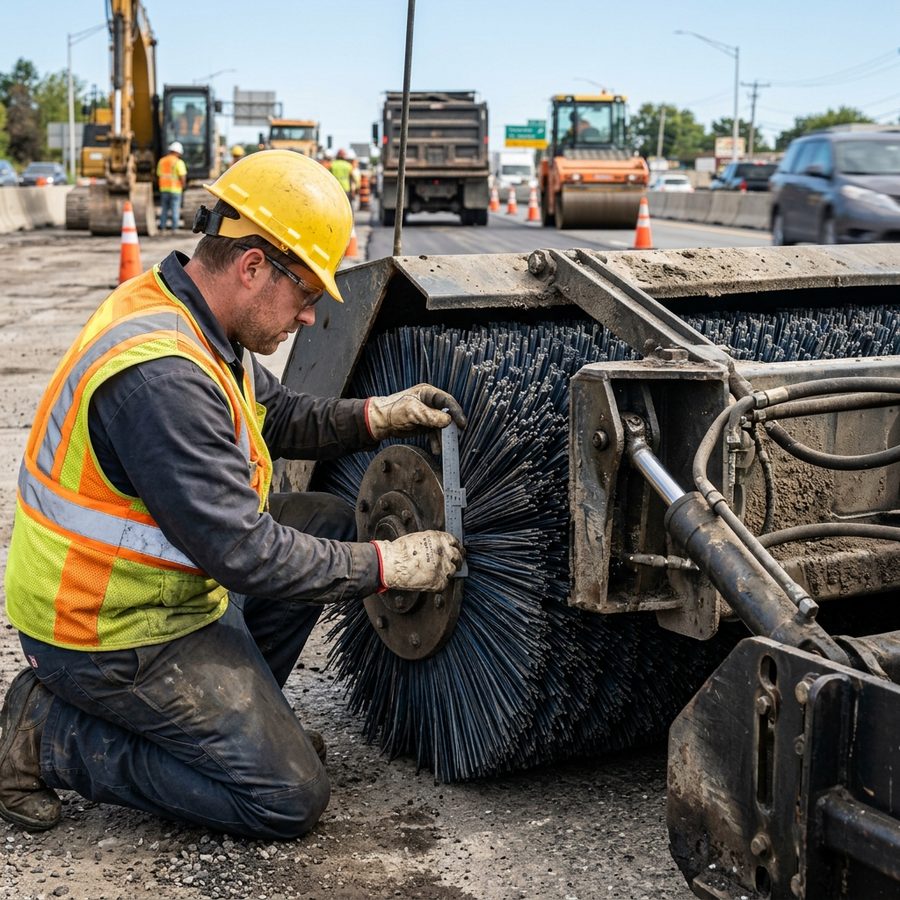
Whether tractor or loader-driven, high-torque hydraulic orbital motors drive the brush core rotation. Maintaining clean hydraulic fluid, verifying coupler connections, and inspecting drive shaft bearings prevents motor pressure drops and seal failures during peak paving season.